

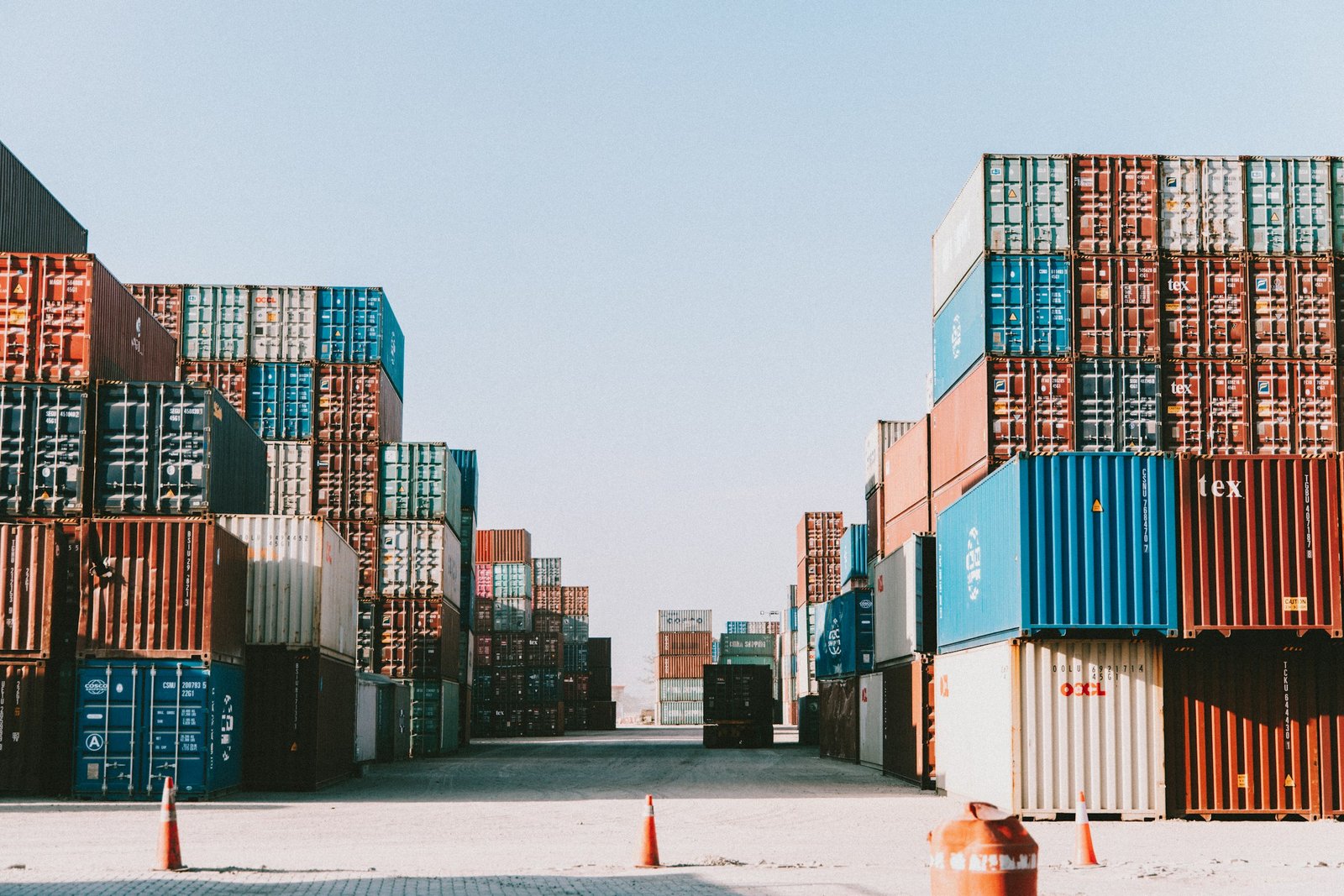
Your container landed four days ago. The goods are fine, the supplier did nothing wrong, and nothing is moving. Somewhere a system flagged your shipment, and now you are paying for every day it sits.
A customs hold is almost never about your product. It is about your paperwork, your importer history, or a targeting rule you will never see, and the bill for the delay lands on you rather than on whoever caused it.
The useful part is that the process has published rules. There are deadlines CBP has to meet, a document trail you can prepare in advance, and one detail about when the clock starts that most importers get wrong.
This is for founders and brands importing a physical product. If you are still building the cost model for the order, read this next to the real cost of importing from China, because the charges below are the ones that turn a good landed cost into a bad one.
Why is your container on hold?
Because something in the data around your shipment got attention, not because somebody opened a box and disliked what they saw.
Holds come from a handful of places. Automated targeting flags a shipment based on risk factors in the filing. Your documents disagree with each other, so the invoice, the packing list, and the entry do not tell the same story. Another agency has an interest, which is common for food, supplements, cosmetics, electronics, and anything with a wireless chip in it.
Forced labor enforcement is its own category now. Under the Uyghur Forced Labor Prevention Act, goods with links to the Xinjiang region face a rebuttable presumption that they were made with forced labor, and rebutting it takes documentation most small importers have never assembled.
And some holds are simply random. A share of containers gets examined because examining a share of containers is how the system stays honest.
What kind of exam are you getting?
Three broad kinds, and the difference between them is days and dollars.
An X-ray or imaging exam is the lightest. The container passes through non-intrusive inspection equipment, nobody opens it, and if the image looks normal it moves on. This is the one you want.
A tailgate exam opens the doors. An officer looks at what is visible at the back of the container, checks the seal, and may pull a carton or two. It is quick in theory and still means the box has to be positioned, opened, and resealed.
An intensive exam is the expensive one. The container is trucked to a Centralized Examination Station, fully unloaded, inspected, and reloaded.
Days pass. Cartons get opened, and palletized goods rarely come back stacked the way they left.
Who pays for all of this?
You do, and the regulation makes that fairly plain.
A Centralized Examination Station is not a government facility. Under 19 CFR 118, it is a privately operated site where goods are made available to officers for physical examination, run by a private operator under agreement with CBP. The operator sets a fee schedule approved by the port director and bills users directly for the service.
CBP does not pay those invoices. Neither does the carrier, and neither does your supplier. Add the drayage to the station and back, the storage while it waits, and the demurrage and detention accumulating at the terminal, and a routine intensive exam on a single container regularly costs more than the inspection you skipped at the factory.
The clock: what the rules actually say
This is the section worth saving, because the timeline is written into the regulations and almost nobody quotes it accurately.
Under 19 CFR 151.16, CBP has five business days from the date merchandise is presented for examination to decide whether to release it. Merchandise not released in that window is considered detained.
If it is detained, CBP has to issue a notice within five business days of that decision. The notice has to state when the detention began, the specific reason for it, how long it is expected to last, what tests or inquiries are planned, and what information from you could resolve it faster.
Then there is the outer limit. CBP must make a final determination on admissibility within 30 days from the date the merchandise was presented for examination. If it does not, the regulation treats that failure as a decision to exclude the goods, which you can protest.
The detail that trips people up
Those clocks do not start when your ship arrives.
The regulation ties everything to the date the merchandise is presented for examination, and presentation means the goods are in a condition where an officer can actually view and examine them. Making the container available is not the same thing. The text is explicit that presenting the container or cargo van alone does not count.
So an importer counting 30 days from the vessel’s arrival and concluding the goods are deemed excluded is usually counting from the wrong date. Ask your broker when presentation actually occurred, and run the clock from there.
Hold, detention, exclusion, seizure
Four words that get used interchangeably and mean very different things.
A hold is an administrative flag. The shipment is not released yet, and often nothing dramatic is happening.
A detention is the formal status that follows when goods are not released within five business days, and it comes with the notice described above.
An exclusion is a decision that the goods may not enter. They can be exported or destroyed, and the decision can be protested.
A seizure is the government taking the goods. That is a different legal track with its own notices and deadlines, and it is the point where you want a customs attorney rather than advice from a blog.
When CBP writes to you
Two forms account for most of the correspondence, and the difference matters.
A CBP Form 28 is a Request for Information. CBP is asking you to explain or document something, often the classification, the valuation, or the origin of your goods. It is a question, and a complete answer frequently ends the matter.
A CBP Form 29 is a Notice of Action. CBP has decided something or is about to, such as reclassifying your product into a line with a higher duty rate. By this stage the conversation has moved on from asking.
Answer both by the date printed on the form, with documents rather than assertions. Silence is read as agreement with whatever CBP proposed, and the cost of that is usually a rate advance you then pay on every future entry of the same product.
What prevents most of this
Not all of it, but a surprising share, and every item is work you do before the goods ship.
Confirm the HS code before you order. An assumed classification is the single most common source of a question you will have to answer later.
Make the declared value match reality. The importer of record carries the obligation to use reasonable care on value, classification, and origin, whoever typed the entry.
File the ISF on time. Under 19 CFR 149.2, the core data is due no later than 24 hours before the cargo is laden aboard the vessel at the foreign port, and late filings draw attention you do not want.
Get the other agencies’ paperwork right. This is where food, supplements, and cosmetics get stuck. If you import organic goods, the import certificate has to exist before the shipment leaves, and the rules changed recently enough that many suppliers are still unaware. We covered that in how to verify a supplier’s certificates.
Mark the country of origin correctly. On the product, where the regulation requires it, not only on the carton.
What you cannot prevent
Random selection, and it is worth making peace with that.
You can be a clean importer with perfect documents and still draw an intensive exam. What good paperwork buys you is not immunity, it is speed: the exam resolves, the questions get answered on the first pass, and your record stays clean for the next hundred shipments.
That record is real. Importers with a history of accurate entries and prompt responses get fewer questions over time, and the ones who argue with the first CF-28 instead of answering it get more.
Who should be handling this for you
The moment a hold appears is the moment you find out whether you have a partner or a forwarder.
A middleman emails you the hold notice and waits. An operator finds out which agency placed it, works out what document will clear it, answers the CF-28 within the window with the paperwork attached, and gets the container off the terminal before the free time runs out.
We have launched 18 brands and verified 800+ suppliers, with our own team on the ground in China, which means the classification and the agency filings are settled before the goods sail rather than argued about after they land. Our fee comes from you and we take zero commissions from suppliers, so nobody in the chain benefits from a quiet shortcut on your entry.
What to keep from this
Four things, if you remember nothing else.
Most holds are about data and targeting rather than your product, so the prevention work happens before the container sails. You pay for the exam, the drayage, the storage, and the demurrage, because the examination station is a private facility that bills its users. CBP has five business days to release or detain and 30 days to decide admissibility, but both clocks run from presentation rather than from arrival. And a CF-28 is a question worth answering properly, because a CF-29 is what comes next.
Let us keep your container moving
We have launched 18 brands and verified 800+ suppliers. Before your goods ship we confirm the classification, the declared value, and the agency filings, and if a hold does appear we deal with the agency that placed it rather than forwarding you the notice.
Tell us what you are importing, and we will tell you straight where your entry is likely to snag.
Frequently asked questions
How long can customs hold my shipment?
Under 19 CFR 151.16, CBP has five business days from the date the goods are presented for examination to release them, and anything not released is treated as detained. CBP then has 30 days from presentation to make a final admissibility determination, and a failure to decide within that window is treated as a decision to exclude, which you can protest. The important detail is that both clocks run from presentation, meaning the goods are in a condition to be examined, not from the day the vessel arrived.
Who pays for a customs exam?
You do. The container is moved to a Centralized Examination Station, which under 19 CFR 118 is a privately operated facility whose operator bills users directly under a fee schedule approved by the port director. On top of the exam itself you pay the drayage to the station and back, storage while it sits, and any demurrage and detention building up at the terminal. Neither CBP nor your supplier covers these costs.
What should I do when I get a CBP Form 28?
Answer it in full, by the date on the form, with documents rather than explanations. A Form 28 is a Request for Information, usually about classification, valuation, or origin, and a complete first answer often closes the question. If you do not respond, the next thing you receive is likely a Form 29, a Notice of Action, which means CBP has decided something such as a higher duty rate that will then apply to your future entries of that product.