
Product sourcing is how you find, vet, and secure the supplier who makes or supplies the product you sell. Before a single unit exists, you decide what you are building, find the right manufacturer, prove they can actually deliver, and lock the terms. It is the front end of the whole business.
Get sourcing right and everything downstream runs smoother: quality, margin, timing. Get it wrong and no amount of marketing saves you. So knowing how to source products, and how to spot a supplier who will let you down, is worth more than most founders expect.
What product sourcing actually covers
Sourcing is not the same as placing an order. Placing an order is the easy part at the end. Sourcing is everything that has to be true before you dare place it.
That means defining what you need, finding suppliers who can make it, and proving they are real before money moves. It runs through samples, terms, production, and quality control, up to the goods landing where you need them. Done properly, sourcing is you owning the path from idea to product in hand, not a quote you accept and hope on.
It is also not a one-time errand. Finding and proving a supplier is the heavy lift, but keeping a short bench of backups, so one factory falling through does not stall you, is part of the job too.
How to source products, step by step
The path stays the same whether you are stocking a store, launching a brand, or working out how to source products to sell online. Here is how it runs.
Start with a clear brief. Nail down what you are making, for which market, at what quality, and at what target cost, before you contact anyone. A vague brief is how you end up with samples that miss and a bulk run that misses worse.
Then find suppliers. Directories, trade shows, referrals, and sourcing agents all surface names. The catch is that a name is not a vetted factory, and this is where our sourcing work does the real lifting.
Do not stop at the first quote. Line up a few suppliers and compare them on more than price: lead time, minimums, capacity to grow with you, and how they handle hard questions. The cheapest quote often hides the highest cost later.
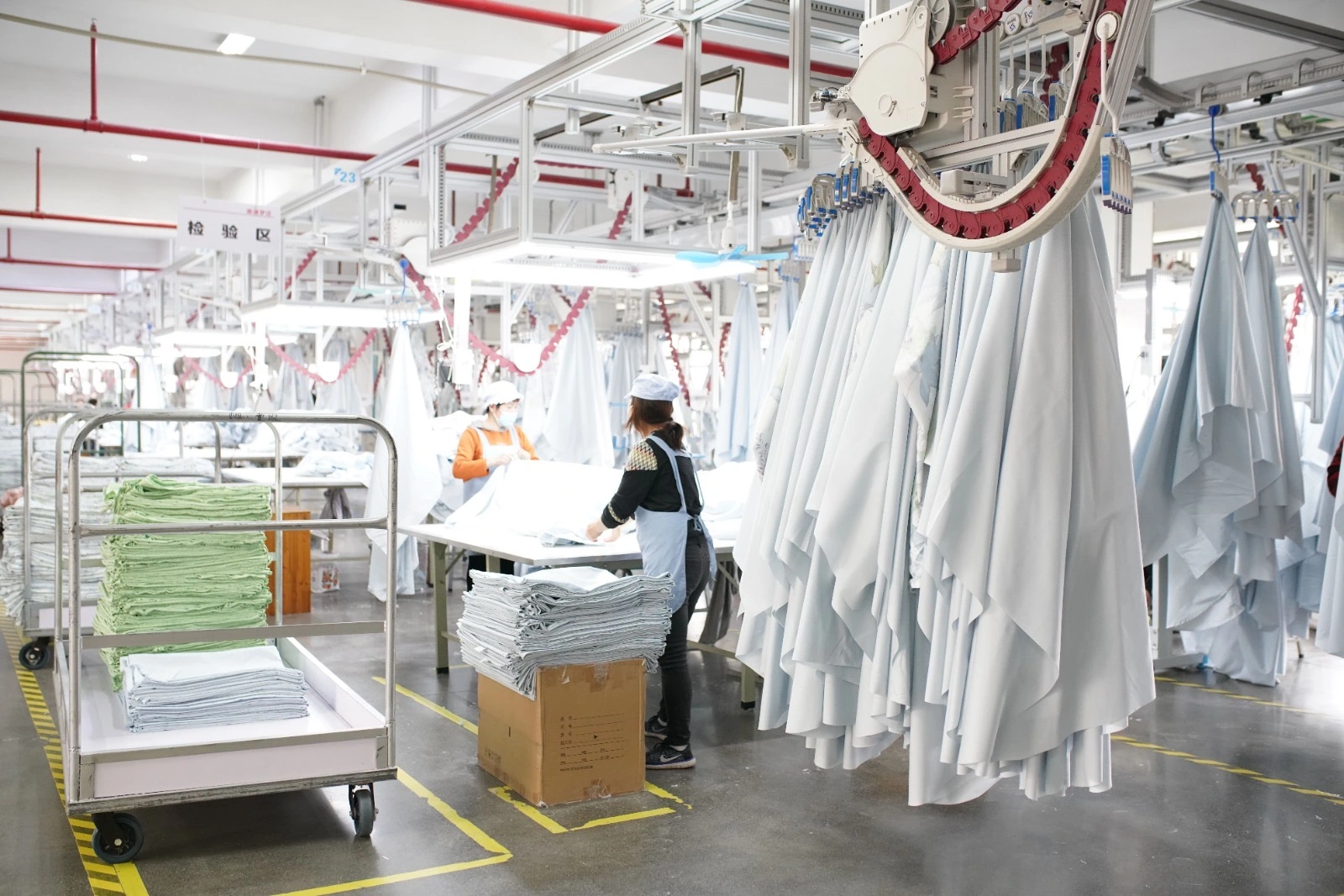
Vet before you commit. Confirm a supplier makes what it claims, at your quality and volume, and is not a trading company quietly passing your order to a workshop you never see. Being on the ground where the product gets built is what turns a hopeful video call into a real check.
Prove it with samples and terms. Approve a physical unit, write down exactly what production has to match, and settle payment terms and ownership of any tooling before the deposit leaves your account.
Run production with quality control built in, not one look at the end. Then handle freight, customs, and delivery, so the goods arrive ready to sell. If you are selling on Amazon specifically, the tactical version of all this lives in how to source products to sell on Amazon.
Sourcing locally vs overseas
One of the first real decisions is where to make the thing. Neither answer is right for everyone, so weigh it against your product and your stage.
Overseas, usually Asia, tends to win on unit price and manufacturing depth, especially at volume. The tradeoff is distance: longer lead times, higher minimums, a timezone gap, and quality you cannot check by walking down the street. Those risks are manageable, but only with real eyes on the ground.
Local sourcing flips it. You get speed, tighter control, smaller runs, and easier communication, usually at a higher unit cost. For a first small batch, a fast reorder, or a product where control matters more than margin, local can be the smarter call.
Whichever way you lean, compare on landed cost, not the sticker price. The real number is the unit price plus freight, duties, and any tariffs. A cheap factory quote can lose to a pricier one once the goods actually reach your door. Many brands end up doing both, splitting products by what each region does best.
What separates good sourcing from bad
The difference between sourcing that protects you and sourcing that quietly bleeds you comes down to a few things.
Look for someone on the ground where your product is made, not a firm running the same online searches you could run yourself. Look for quality control built into the process at every stage, not a promise after the fact. And check how your partner gets paid, because a partner earning a commission from the factory is quietly working for the factory, not for you.
That last one matters more than it looks. At Helix, our fee comes from you and we take zero commissions from suppliers, so when we negotiate, we are negotiating for your price, not protecting the factory’s margin.
A few more tells. A good supplier can scale with you, so your second order does not mean starting over from scratch. A good arrangement protects your design, with an NDA so the factory cannot sell your product to the next buyer who walks in. And a good partner is upfront about total cost, freight, duties, tooling, and revisions, not just the per-unit price that reads well in the quote.
When to source it yourself, and when to bring in a partner
Straight answer: you do not always need help. For a simple, local, repeat order you already understand, sourcing it yourself is fine. Ask the right questions, order samples, stay careful, and you can get there.
You start needing a partner when the stakes climb. A product made overseas with no one on the ground where it is built. A catalog growing faster than you can track suppliers. Or a run that went wrong once and taught you what a bad factory actually costs.
That is when someone who sources and runs production for a living earns the fee. A partner is for when sourcing becomes the thing that makes or breaks the launch, not for a small order you can handle from your desk.
Where Helix comes in
If sourcing is the part standing between you and a product on the shelf, that is exactly what we run at Helix. We find your manufacturer, vet it on the ground in China, manage production with QC at every stage, and ship the first batch. You approve the samples. We handle the rest.
The track record behind that: 18 brands launched, 800+ verified suppliers, our own team in China with 15+ years in local manufacturing, and zero commissions from suppliers. When we negotiate, we are negotiating for you, not quietly earning a cut from the factory.
Tell us what you want to build, and we will tell you straight what it takes to source and launch it.
Frequently asked questions
What is product sourcing?
Product sourcing is the process of finding, vetting, and securing the supplier who makes or supplies the product you sell. It covers defining what you need, identifying suppliers, proving they can deliver, agreeing terms, and running production through to delivery. In short, it is everything that gets you a reliable product before you ever place the order.
What is the difference between sourcing and procurement?
Sourcing is one part of procurement. Sourcing finds and vets the right supplier and sets the terms. Procurement is the wider cycle around it: purchase orders, contracts, delivery, payment, and managing the supplier over time. Put simply, sourcing decides who you buy from, and procurement runs the buying. We break the wider process down in procurement outsourcing.
Is it better to source products locally or overseas?
It depends on your product and stage. Overseas usually wins on unit price and manufacturing depth at volume, but brings longer lead times, higher minimums, and quality you cannot check in person. Local costs more per unit but gives you speed, control, and smaller runs. Many brands split their catalog across both.