
Type “how to find vendors” into a search bar and you get the same three answers every time: a directory, a trade show, a sourcing agent. None of them are wrong. None of them are the part that actually decides whether your order shows up the way you ordered it.
Finding reliable suppliers and manufacturers is really two jobs done in order. First you pull a shortlist from the channels that fit your product. Then you vet each name hard enough to tell a real factory from a middleman, before any money moves. The finding is the easy half. The vetting is where a launch holds together or comes apart.
The people who get burned almost always skip the second half. They found a vendor. They never confirmed one. So this guide runs both halves: where to actually look depending on what you are buying, and how to pressure-test a supplier before a deposit ever leaves your account.
First, get clear on what you are actually buying
Before you look anywhere, get honest about which of two jobs you are doing, because they point you at completely different suppliers.
One job is buying finished products to resell. The stock already exists, you order it, you mark it up. This is the world of wholesale suppliers and distributors, and it is what most people mean when they ask how to find wholesale suppliers for Amazon FBA. If that is your model, the channels and the checks look different, and we walk that path in how to source products to sell on Amazon.
The other job is getting your own product made. You have a spec, or at least a clear idea, and you need a factory to build it under your name. This is where buying from manufacturers directly beats ordering through a distributor: you control the product, the quality, and the margin, instead of inheriting someone else’s. Everything below is about this job. And it works the same whether you are a solo founder with your first SKU or an established brand adding a line, because the question is never your size, it is whether the factory can actually make your product.
Where to find manufacturers and suppliers
There is no single best place to look. Each channel trades reach for reliability in a different way, so most people who do this well pull from two or three at once.
Online marketplaces and directories are the obvious start. Alibaba and Global Sources list enormous numbers of suppliers and let you scan a category fast. The catch is that listings are mostly self-reported, the verification badges are shallow, and a large share of what reads as a “manufacturer” is a trading company reselling someone else’s capacity. Treat these as a way to build a long list, not a shortlist.
If you specifically want domestic supply, the directories change. For anyone asking how to find US suppliers, Thomasnet is the long-standing one: a North American directory of manufacturers, custom shops, and distributors. It runs deeper on industrial and made-to-spec work than the big marketplaces, but the same rule holds. Listings are self-reported, so the verifying is still on you.
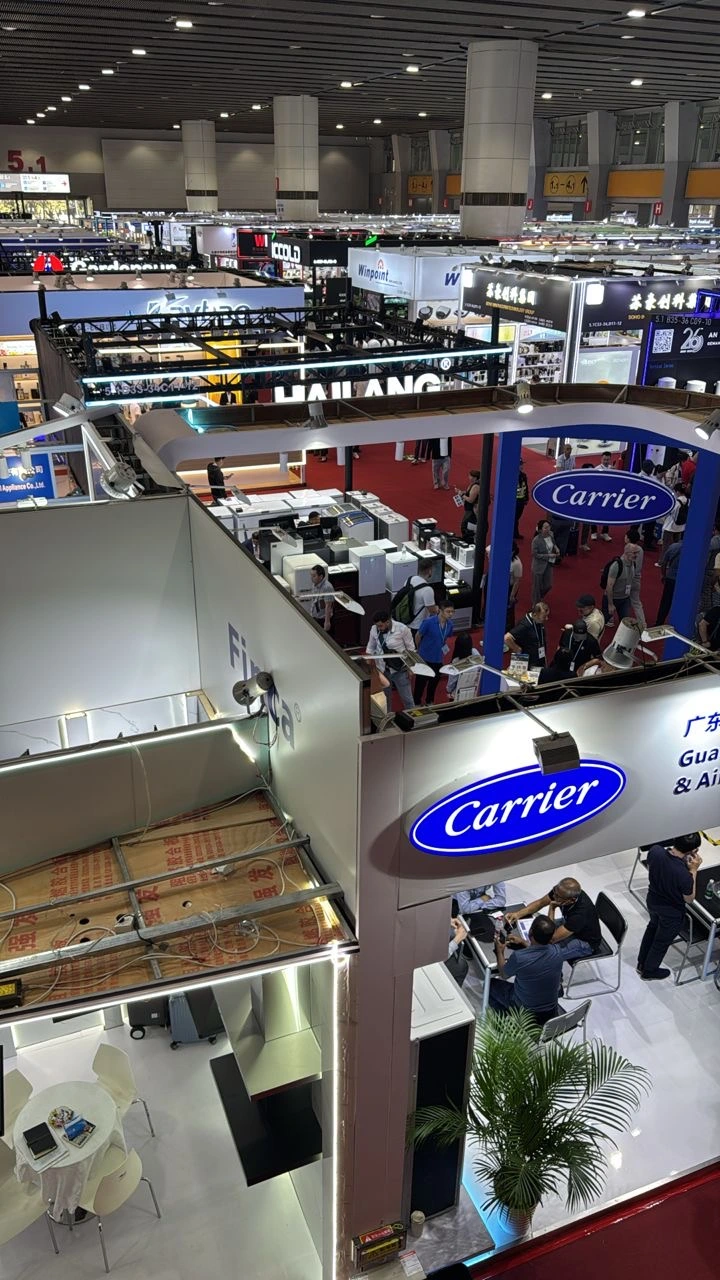
Trade shows put the product in your hands. The Canton Fair runs twice a year in Guangzhou and is organized in phases by category, so you can stand in front of hundreds of factories in your niche over a few days. Domestic industry shows do the same on a smaller scale. The cost is real: flights, time, and the skill to tell a booth-polished pitch from a working factory.
Referrals are the highest-signal channel and the narrowest. A founder in your category who already shipped can hand you a factory proven for exactly your kind of product. The limit is obvious: you only get a referral for the handful of things people around you have already made.
Then there is having someone on the ground. A partner local to where your product gets made can walk the floor, filter out the trading companies, and hand you names that are already screened. Done right, it collapses months of remote back-and-forth. Done wrong, it adds a layer that quietly earns from the factory instead of working for you, which is the exact risk the next section is about.
How to tell a reliable supplier from a risky one
A directory introduces you. It does not vouch for anyone. The reliability comes from what you do after the introduction, and a few checks separate a supplier you can trust from one that costs you a whole production run.
Confirm you are talking to the factory, not a reseller. Ask what they make in-house versus what they outsource, ask to see the production line, and watch whether the answers get specific or stay vague. A trading company can quote anything. A factory can only really make what sits on its floor.
Verify the business is real. A legitimate manufacturer can show registration and a business license that matches the name on the invoice, plus references and an export record for the country you are shipping to. Company names that do not match across the quote, the contract, and the bank account are one of the loudest warning signs there is.
Get samples, then lock a golden sample. A first sample tells you they can make the thing once. Signing off a reference unit, the exact standard the bulk run has to match, is what stops “close enough” from turning up in your container.
See the floor before the big order. A video call shows you whatever the camera is pointed at. Someone physically standing in the factory sees the equipment, the conditions, and whether the operation is the size they claimed. This is the single check that is hardest to fake and easiest to skip from another continent.
Check how they get paid. Plenty of agents quietly take a commission from the factory, which means their incentive is the factory’s margin, not your best price. Ask about it directly, because a partner earning from both sides is not really on your side. At Helix the fee comes from the client and we take zero commissions from suppliers, so the negotiation only runs in one direction. That is what our sourcing work really is: finding the factory, then proving it out on the ground before you commit a cent.
A step-by-step way to find and vet your manufacturer
Put the two halves together and the process stays fairly consistent, even as the details shift from one product to the next.
Start with a tight brief. Before you contact anyone, write down what you are making, the materials and tolerances that matter, your target quantity, your market, and your budget. A vague brief gets you vague quotes you cannot compare.
Build a shortlist from two or three channels. Pull a wide list from a marketplace or directory, then narrow it with anything higher-signal: a referral, a trade-show contact, a name someone has already screened.
Cut the trading companies early. Run the factory-versus-reseller questions before you invest real time, so you only sample with suppliers who actually build the product.
Quote and sample in parallel. Compare landed cost, not just the unit price, and use the samples to confirm the spec rather than only the look.
Verify before you scale. Get eyes on the floor, confirm the paperwork, and lock the golden sample before the deposit on a full run. For reference, our own team usually reaches a verified manufacturer in around 6 weeks, because the vetting, not the searching, is what takes the time.
Start controlled. Place a first order with quality control built into the run instead of bolted on at the end, so a defect gets caught at 20 percent of the run rather than after the container ships.
When to do it yourself, and when to hand it off
Plenty of people should run this themselves. If your product is simple, your supplier is local, your volume is small, and you have the time to visit and inspect, the search is manageable and worth doing first-hand.
It gets harder to do alone the moment your product is made overseas, your spec is technical, you are adding SKUs faster than you can track suppliers, or you have already been burned once and want control without personally chasing every step. That is the point where founders hand the sourcing to someone who does it full time, on the ground, so the search does not stall the launch. That is the job our product launch work is built around, and if you are weighing partners, we break down how to compare them in how to choose a procurement outsourcing company.
Let us find your manufacturer
This is the model we run for founders and brands launching into the US: a team on the ground in China, 800+ verified suppliers, and 18 brands launched. We find the factory, vet it in person, and stand behind it with zero commissions from any supplier, so when we negotiate, we negotiate for you.
Tell us what you are making, and we will tell you straight what it will take to source it well.
Frequently asked questions
How do I find a manufacturer for my product idea?
Start with a clear spec, then pull names from a marketplace like Alibaba, a category directory, or a trade show such as the Canton Fair. The real work comes after that: confirm each candidate is an actual factory, sample the product, and verify the operation in person before you place a real order.
How do I know if a supplier is a real factory and not a middleman?
Ask what they produce in-house versus outsource, request to see the production line, and check that the registered company name matches the quote, contract, and bank details. A trading company will quote almost anything, while a factory can only make what is on its floor. Getting someone on the ground is the surest test.
Where can I find US-based suppliers?
Thomasnet is the main directory for North American manufacturers and distributors, searchable by capability, certification, and made-in-USA origin. It runs deeper on industrial and custom work than the global marketplaces. Listings are self-reported, though, so you still need to verify capacity, quality, and certifications before you commit to an order.